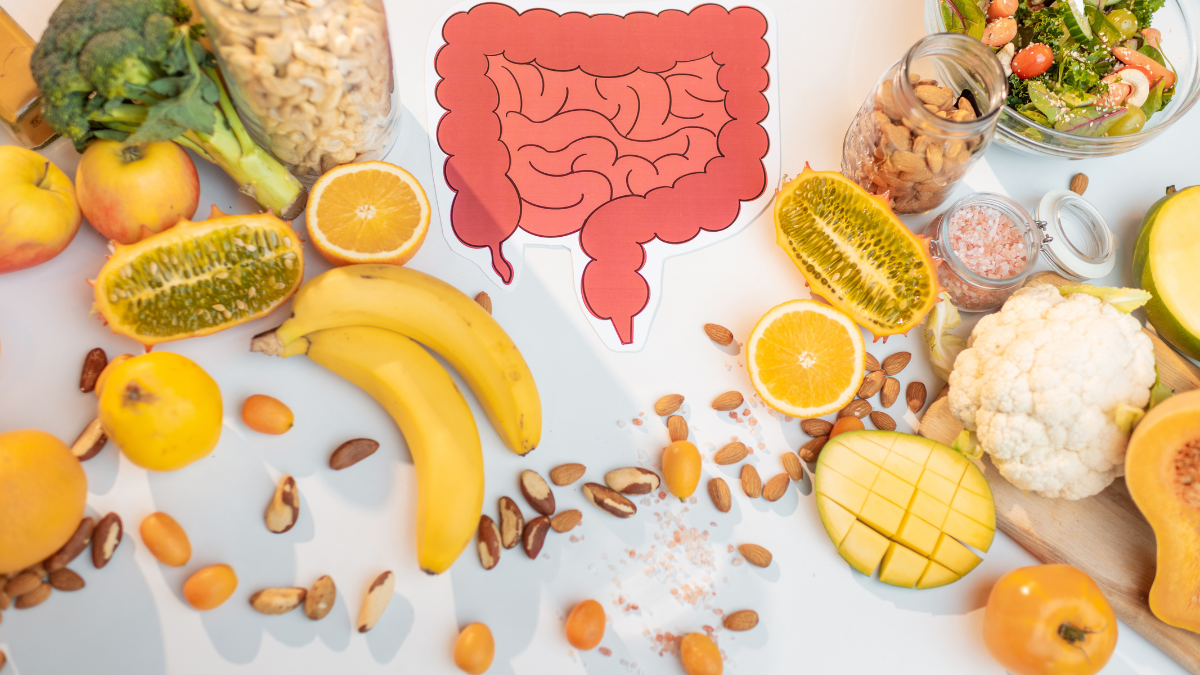
As we age, our digestive system can slow down, leading to bloating, discomfort, and low energy. If you’re a senior who’s experienced those unsettling moments after meals or simply feels more fatigued than you remember, it might be time to pay closer attention to the foods and nutrients that support a happy gut. Small changes can make a big difference—helping you feel lighter, more energetic, and ready to enjoy every day.
Fiber: The Unsung Hero of Digestion
Fiber plays a starring role in maintaining healthy digestion. It helps move food smoothly through the digestive tract, prevents constipation, and keeps the friendly bacteria in your gut thriving. Aim for a mix of both soluble fiber (which turns soft in water) and insoluble fiber (which stays rough) for optimal benefits. Seniors should target around 25 grams of fiber daily, but it’s best to increase intake gradually to avoid gas or cramping.
Feeding Your Microbiome: Whole Grains and Colorful Produce
Whole grains such as oatmeal, brown rice, and whole wheat pasta provide steady energy and gentle bulk. Pair them with colorful vegetables—think spinach, bell peppers, carrots—and fruits like berries or pears. These plant-based powerhouses deliver fiber, antioxidants, and vital vitamins, cushioning your gut lining and keeping digestion on track.

Teaming Up With Your Gut’s Tiny Helpers: Probiotics and Prebiotics
Probiotics are live bacteria that can positively influence digestion and immunity. Yogurt with live cultures, kefir, sauerkraut, and kimchi are tasty options that introduce friendly microbes into your system. Meanwhile, prebiotics are types of fiber that serve as fuel for those beneficial bacteria. Foods rich in prebiotics include garlic, leeks, onions, and asparagus. Combining both in your diet helps maintain a balanced gut ecosystem.
Vitamins That Keep You Moving: D, B12, and Magnesium
Several micronutrients support overall wellness and digestive regularity, especially for seniors. Vitamin D, often called the sunshine vitamin, aids immunity and muscle function—and studies suggest it may play a role in gut barrier health. B12 helps convert food into usable energy, but absorption can decline with age, so fortified cereals or supplements might be necessary. Magnesium, found in nuts, seeds, and whole grains, helps muscles relax—including those in your digestive tract—reducing the likelihood of constipation.
Hydration: The Silent Partner in Digestion
Water often gets overlooked, yet it’s the silent partner that keeps digestive processes flowing. Adequate hydration softens stool, preventing cramps or discomfort, and supports nutrient absorption. Aim for at least 6–8 cups of fluid daily—more if you’re active or live in a warm climate. Herbal teas, clear broths, and water-rich fruits like watermelon can add variety if plain water feels monotonous.
Healthy Fats That Do You Good
Not all fats are created equal. Omega-3 fatty acids found in fatty fish (such as salmon or mackerel), flaxseeds, and walnuts help reduce inflammation, including in the gut lining. Avocado and olive oil provide monounsaturated fats that support heart and brain health while aiding in the absorption of fat-soluble vitamins like A, D, E, and K.
Crafting Balanced Plates and Simple Swaps
Putting it all together doesn’t have to be complicated. Use the “plate method”: half filled with colorful vegetables, one-quarter lean protein (chicken, fish, tofu), and one-quarter whole grains or starchy vegetables. Swap white bread for whole grain, choose beans instead of sausage, or snack on a handful of nuts instead of chips. These small tweaks add up to major gut-friendly benefits.
When Supplements Make Sense
While getting nutrients from whole foods is always ideal, supplements can help fill nutritional gaps for older adults. A daily probiotic supplement may support regularity, and a multivitamin geared toward seniors can provide B12 and vitamin D at recommended levels. Always chat with your healthcare provider before starting any new supplement to ensure it’s safe and tailored to your specific needs.
Stepping Into Comfort and Confidence
Healthy digestion isn’t just about what you eat—it’s also influenced by light exercise, stress management, and quality sleep. Gentle activities like walking or chair yoga keep your digestive muscles engaged. Deep breathing and meditation can calm your nervous system, reducing bloating and discomfort. Finally, aim for 7–8 hours of restful sleep to give your body the time it needs to repair and digest effectively.
By focusing on fiber-rich foods, beneficial microbes, essential vitamins, and proper hydration, you’ll be well on your way to smoother digestion and more energy throughout your day. Small, consistent changes build a strong foundation for gut health—so take one step today toward a happier, healthier you.