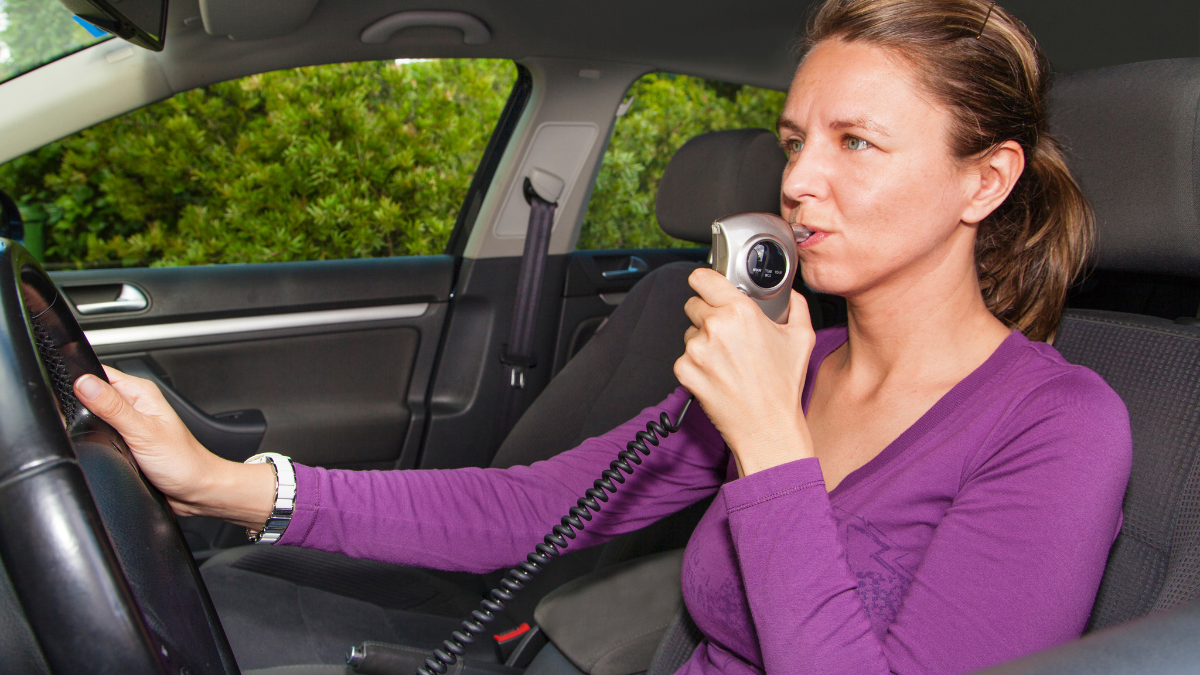
Imagine this: you’re driving home from a night out when flashing lights pull you over. Anxiety spikes as an officer asks you to step out and blow into a handheld device. In that moment, how much do you really know about the breathalyzer test you’re about to take? Understanding the nuances of these roadside checks can help you protect your rights, anticipate potential pitfalls, and even challenge results if they seem off.
Breathalyzer tests are ubiquitous in DUI enforcement, but they’re far from infallible. From the science behind the sample to the legal steps that follow, each phase carries its own set of rules, quirks, and controversies. Whether you’re a daily commuter, a first-time offender, or just curious about your rights on the road, here are five critical insights everyone should have about breathalyzer tests.
1. The Hidden Chemistry: How Breath Analyzers Measure Alcohol
At its core, a breathalyzer estimates your blood alcohol concentration (BAC) by measuring alcohol in your exhaled breath. Most modern devices use infrared spectroscopy or fuel cell technology. Infrared models shine a beam of light through your breath sample; alcohol molecules absorb specific wavelengths. Fuel cells generate a small electrical current when alcohol interacts with platinum electrodes. Both methods translate that data into a BAC reading. But temperature, calibration errors, residual mouth alcohol, and even device age can skew these results, sometimes by a margin significant enough to impact your case in court.
2. Your Roadside Rights: Navigating DUI Procedures
Every driver should know the basics of implied consent laws: by holding a license, you’ve already agreed to chemical testing if lawfully arrested for DUI. Refusing a breath test can quickly lead to automatic license suspension, hefty fines, or even jail time, depending on your state. You also have the right to remain silent and to consult an attorney—though this can be challenging during a traffic stop. If you’re arrested, you’re entitled to request an independent chemical test at your own expense. Knowing these procedures in advance can make a stressful encounter feel less overwhelming.
3. Variables You Can’t Always See: Factors Affecting Your Results
Even if you’re well under the legal limit, unexpected variables can produce surprising breathalyzer readings. Common culprits include using alcohol-based mouthwash or breath sprays minutes before the test, belching residual stomach alcohol, hypoglycemia, or even intense oral hygiene. Environmental factors—such as extreme cold or heat—can impact device performance, as can expired calibration solutions. Technicians require regular training and certification, yet lapses occur. Challenging a test often hinges on exposing these hidden influences and procedural missteps.
4. The Road After the Reading: Post-Test Procedures Explained
After you blow into the device at a traffic stop, law enforcement usually takes you to a station for a more precise test—sometimes a breath or blood test. Your initial roadside reading often serves as probable cause for arrest rather than conclusive evidence. At the station, certified technicians perform a second, more controlled analysis. If your BAC remains above legal thresholds, you’ll face arraignment, potential bail, and a court date. Understanding this two-step process—field test followed by evidentiary test—can help you anticipate timelines and necessary legal actions.
5. Myths vs. Reality: Debunking Common Breathalyzer Misconceptions
Urban legends about “tricking" a breathalyzer run rampant: coffee to sober up, candy mints to mask alcohol, or holding your breath for 20 seconds. None of these methods work. Mouth alcohol from small sips dissipates in seconds; most devices include a two-minute observation period to prevent tampering. Even more misleading is the idea that only overtly slurred speech or unsteady gaze can trigger a roadside test—officers often rely on standardized field sobriety tests before any device ever comes out. Separating fact from fiction is crucial to making informed decisions if you’re ever pulled over.
Empowerment Through Knowledge: Taking Control on the Road
Breathalyzer tests intersect technology, science, and law in ways that aren’t always transparent to the average driver. Knowing how these devices work, recognizing the factors that can distort results, and understanding your legal rights forms a powerful defense. Next time you’re behind the wheel—especially after a social gathering—consider alternative transportation if you’re unsure, and keep these five insights in mind. Being informed is your first line of protection, helping you navigate roadside encounters calmly and confidently.